
How Does Solar Energy Work?
Articles
Solar energy, harnessed from the sun’s rays, is a powerful and sustainable resource that has captivated scientists, engineers, and environmentalists alike. In this article, we’ll dive into the captivating world of solar energy, exploring how it works, the magic behind solar cells, and their efficiency.
The Solar Cell: A Marvel of Science
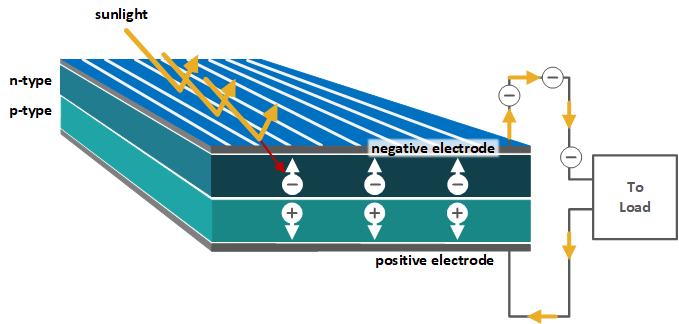
At the heart of solar energy is the photovoltaic (PV) cell, a remarkable electronic device that converts sunlight into electricity. Let’s break down how this works:
1. Absorption of Sunlight
When sunlight strikes a PV cell, it interacts with semiconductor materials—usually silicon. These materials absorb photons (which are particles of light), initiating a chain of events that lead to electricity generation.
2. Electron Excitement
The absorbed photons excite electrons within the semiconductor. These energized electrons create an electric current—a direct current (DC)—within the cell.
3. Electrical Current Flow
The flow of electrons creates the electrical current. Multiple PV cells within a solar module work together, generating enough electricity to power homes, businesses, and large generation plants. A standard rooftop solar panel typically contains 60-72 interconnected cells.
Factors Affecting Solar Cell Efficiency
Not all sunlight reaching a PV cell gets converted into electricity. Several factors influence efficiency:
1. Wavelength
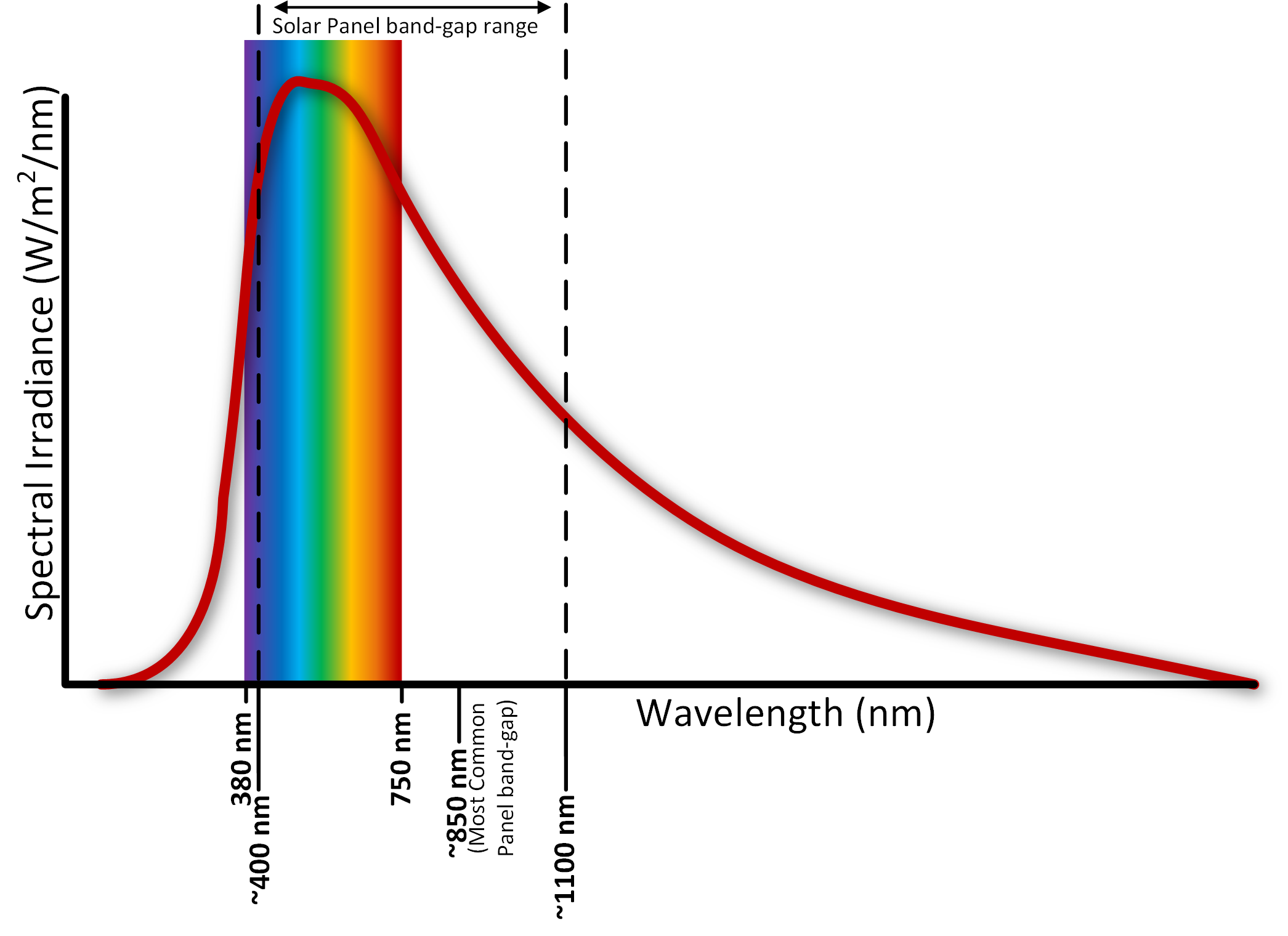
Sunlight consists of photons with varying wavelengths. Some are reflected, while others pass through the cell. Only the absorbed photons contribute to electricity production. The right energy level allows electrons to break free from their atomic bonds.
2. Recombination
Electrons and holes (absence of electrons) flow across the semiconductor. However, recombination—when they encounter each other and cancel out—limits efficiency. Direct recombination reverses the electricity generation process, while indirect recombination occurs due to impurities or defects.
3. Temperature
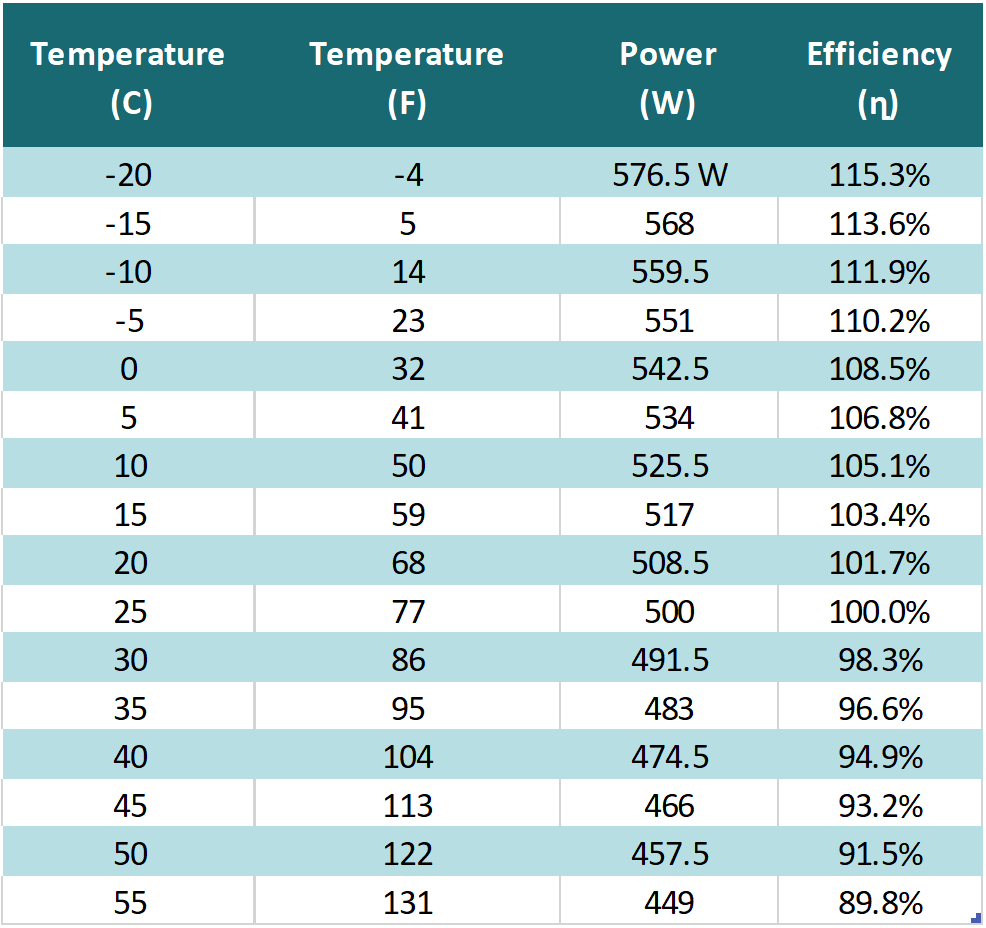
Solar cells perform best at lower temperatures. Extreme heat can damage cells and reduce their operating lifespan. Proper thermal management improves both efficiency and longevity.
4. Reflection
Minimizing light reflection from the cell surface enhances efficiency. Anti-reflection coatings and textured surfaces help achieve this.
Solar Cell Efficiency: The Numbers
Commercially available solar panels typically have efficiencies ranging from 14% to 16%. The most efficient panels on the market reach around 22.5%.
Recent breakthroughs have pushed efficiency to an impressive 44.5% by stacking multiple materials that absorb more parts of the solar spectrum.
Conclusion
Solar energy, driven by the photovoltaic effect, holds immense promise for a sustainable future. As the technology advances, we continue to unlock greater efficiency, making solar power increasingly competitive with conventional energy sources. So, next time you see those solar panels on rooftops, remember the science behind them— the magic of photons, the flow of electrons, and the inexhaustible power of the sun.